cat nasal polyps symptoms
The exact cause isnt entirely understood but it is believed that they are the result of chronic inflammation or congenital present at birth. Secondary bacterial infections can develop due to the blockage and accumulation of secretions.

Inflammatory Polyps In Cats The Cat Clinic
Young cats are most commonly affected with a mean age of 15 years.
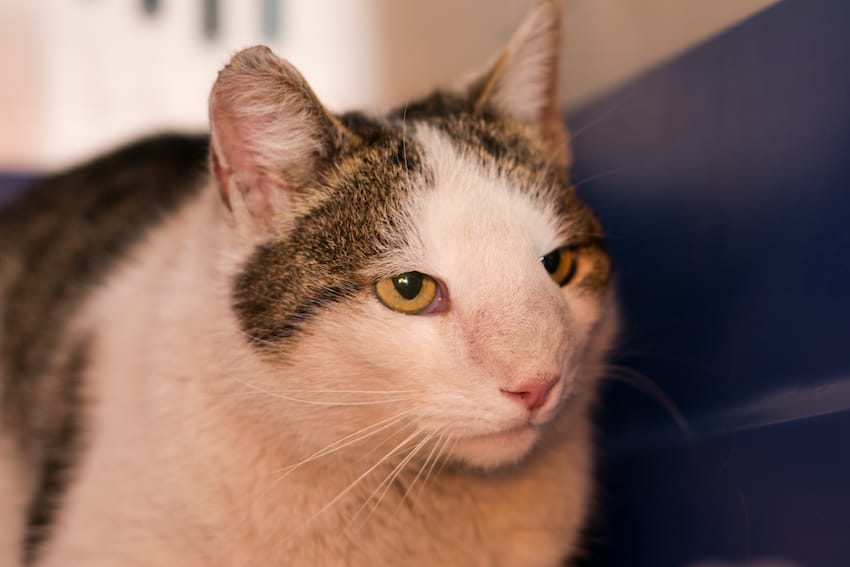
. She suggested a CT scan for and to see a specialist to come up with a plan which involves lotsa. The polyps obstruct the passage of air so affected cats usually develop a distinctive snorting sound as they breathe. In some cases these signs may be accompanied by a phenomenon called reverse sneezinga sudden alarming honking sound that the.
Nasopharyngeal polyps impact your cats breathing. Nasopharyngeal polyps impact your cats breathing. If your cat develops nasal polyps he may have varying symptoms depending on the location of the polyps.
If this occurs the cat develops nasal discharge and sneezing. If the polyp is large enough it pushes the soft palate downward interfering with swallowing. Nasal discharge is the most common clinical sign of a nasal tumor.
Polyps can extend into the middle ear external ear pharynx cavity behind the mouth and nasal cavity. Polyps in the middle ear can affect your cats balance and can lead to ear infections that are difficult to treat or keep coming back. The symptoms usually start slowly and become chronic with limited response to routine treatment.
If nasal polyps grow from the ear canals or middle ear head shaking loss of balance excessive ear scratching and head tilt can be observed from affected feline patients. Symptoms commonly seen in cats with nasal polyps are sneezing nasal discharge reverse sneezing snoring and breathing difficulties. They may be the remnants of a fetal.
Polyps in the back of your cats throat could cause snoring difficulty breathing and problems swallowing. Read more can cause signs of upper respiratory disease such as increased sounds associated with breathing sneezing and nasal. The type of polyp that occurs in the ears and nose of a cat is an inflammatory polyp- this means it is composed mainly of fibrous tissue and inflammatory cells.
Generally polyps are fast and uncomplicated to treat. Veterinarians use two terms to describe pink growths in the nose of cats. The vet said the possibility of nasal polyps is possible but highly unlikely due to his age at only 5 months old.
Pink growths in the nose in cats are noncancerous masses that impact a felines respiratory system. A persistent ear infection is also a. Polyps can also occur in the nasal passages and throat.
Common symptoms of nasal polyps in cats may include the following. Nasal polyps refer to protruding pink polypoid growths that are benign not cancerous and that are found to arise from the mucous membranes - the moist tissues lining the nose. Most cats must be anesthetized before the back of the mouth can be examined thoroughly.
The Most Common Symptoms of Nasal Polyps in Cats. Easy-to-reach nasopharyngeal and ear polyps can be removed using gentle steady traction on the mass of tissue with the cat under general anaesthetic. There is often a rapid improvement in the signs it showed before the.
Nasal polyps or nasopharyngeal are most commonly found in younger cats under two years of age. In severe cases. A polyp is a benign growth of tissue on a long think stalk.
They are benign growths. These are blobs of inflammatory tissue that protrude into the nasal passages and can get so large that they start hanging in front of the airways causing a difficult obstruction to breathe around. Secondary bacterial infections can develop due to the blockage and accumulation of secretions.
Nasal polyps are most frequently observed in young cats. The problem Domino had is called a nasal polyp. Labored and noisy breathing nasal discharge head shaking sneezing difficulty in swallowingall of these clinical signs suggest that a cat is harboring an upper respiratory problem.
Nasal polyps are benign fleshy growths that develop in the nasal passages of cats. Nasopharyngeal polyps can be seen Figures 2 and 3 or felt under the soft palate the muscular layer of tissue that separates the back of the nose and mouth. If this occurs the cat develops nasal discharge and sneezing.
Naso-pharyngeal polyps are the most common masses that are seen in the external ear canal in cats. Pulling a polyp out relieves the symptoms immediately and sometimes cures the problem entirely. Older cats however may also be affected.
Nasopharyngeal polyps Inflammatory Polyps Ear canal tumors may develop from any of the structures lining or supporting the ear canal including the outer layer of skin the glands that produce earwax and oil or any of the bones connective. Nasal Pharyngeal Polyps in Cats. Nasal or nasopharyngeal polyps are often found after antibiotic treatments for respiratory disease have proven ineffective.
While we do not know the underlying cause of polyps in cats there are several theories. These polyps are composed mostly of inflammatory cells covered by a layer of epithelial cells modified skin cells that extend over the surface of the polyp. Most cats must be anesthetized before the back of the mouth can be examined thoroughly.
The signs of nasal polyps often mimic an upper respiratory infection however these signs may persist with little response to medical therapy. As the polyps grow in size the cat can develop similar symptoms to other cat respiratory diseases like Pleural Effusion. She said it could be a congenital abnormality or a mechanical obstruction whatever that is.
Nasal polyps are most frequently observed in young cats. They are usually diagnosed in animals under the age of two and cause symptoms that include some combination of the following. The discharge may.
Affected cats may have trouble breathing. Signs Symptoms and Diagnosis of Hyperthyroidism in Cats. Naso-pharyngeal polyps are the most common masses that are seen in the external ear canal in cats.
In addition to that cats with nasal polyps tend to produce increased respiratory sounds that are pretty similar to snores. False diagnosis can occur. These include sneezing nasal discharge sometimes reverse sneezing a startling honking sound thats basically a reflex caused by the cat trying to clear the throat.
Other symptoms include difficulty swallowing tilting the head. Its normally a very short procedure and the cat recovers quickly. Polyps may be up to 1-2 cm in length extending into the nasal passages or the ear canal.
Nasopharyngeal polyps refer to similar benign growths but in this case may be found extending into the ear canal pharynx. The clinical signs of nasal polyps can vary depending on the location of the. Though technically benign ie not having the tendency to spread or worsen appreciably nasopharyngeal polyps can cause big problems for cats.
If this occurs the cat develops nasal discharge and sneezing. Cat Nasal Polyps. They are often accompanied by difficulty breathing while active or when sleeping.
A change in voice. Nasal Squamous Cell Carcinoma in Cats. Nasal polyps and nasopharyngeal polyps.
The polyps obstruct the passage of air so affected cats usually develop a distinctive snorting sound as they breathe. Cats with polyps in these locations may have difficulty breathing or swallowing and may have a chronic nasal discharge. Nasal polyps in cats are usually accompanied by trouble breathing frequent sneezing and nasal congestion.
Nasal polyps can often be surgically removed with traction or avulsion. Nasal and Nasopharyngeal Polyps in cats.
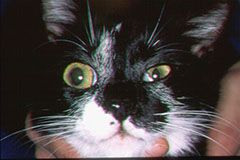
Nasopharyngeal Polyps American College Of Veterinary Surgeons Acvs

Nasal Polyps In Cats Symptoms And Treatment Options Kingsdale Animal Hospital
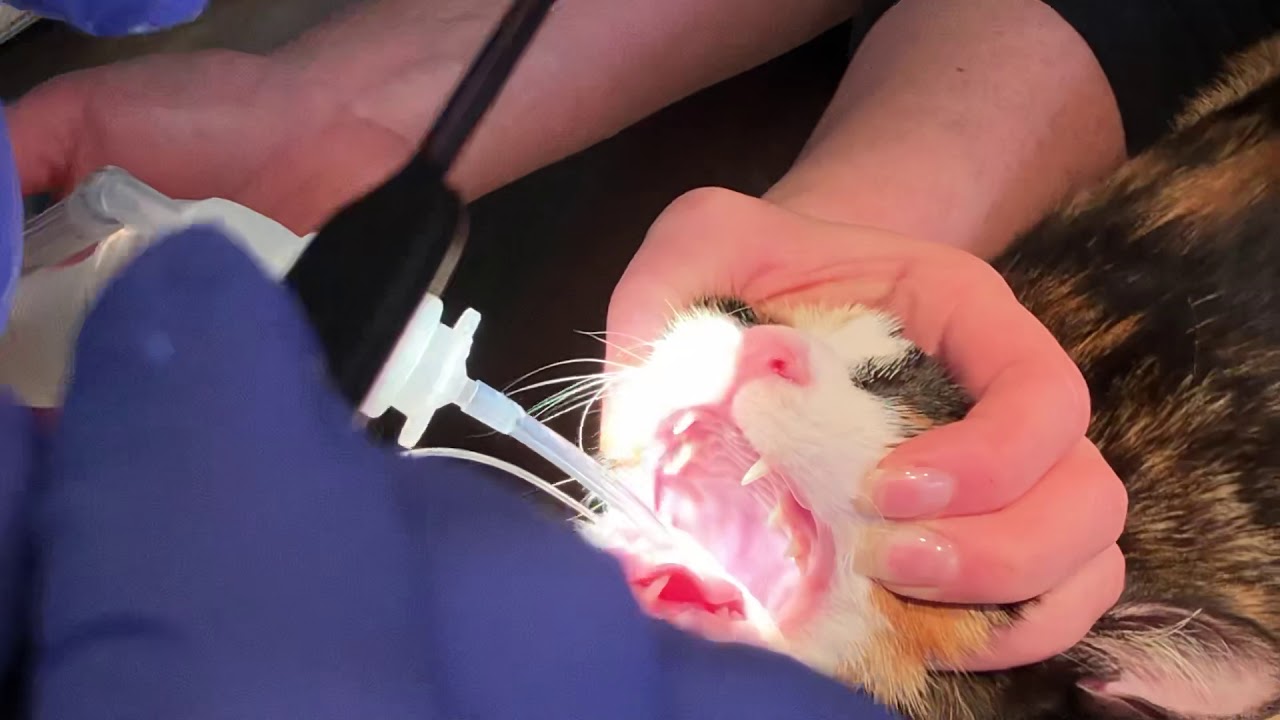
Edie And Her Nasopharyngeal Polyp Removal See How What This Looks Like And How Big They Can Get Youtube

Animal Surgical Center Of Michigan Veterinarian In Flint Mi

Cat Nasal Polyp R Askvet
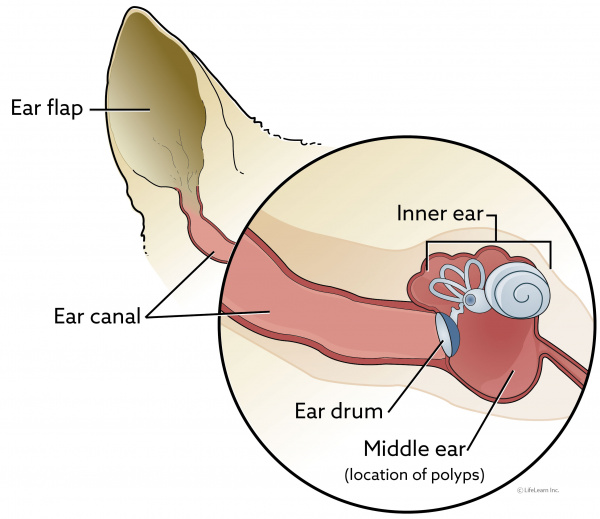
Nasopharyngeal Polyps In Cats Vca Animal Hospitals
Nasal Tumors Lap Of Love
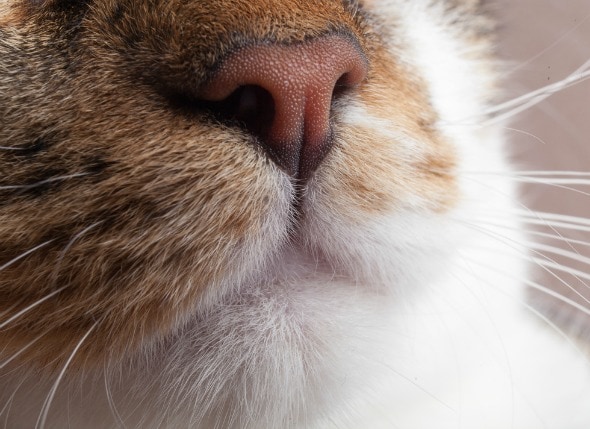
Pink Growths In The Nose And Pharynx In Cats Petmd

My Cat Has A Swollen Nose Causes And Treatments
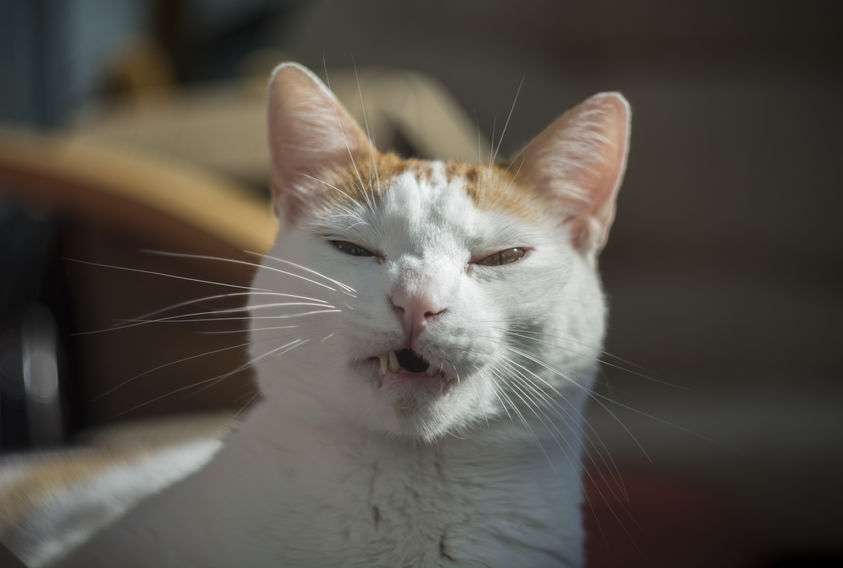
Cat With Upper Respiratory Issues Two Crazy Cat Ladies
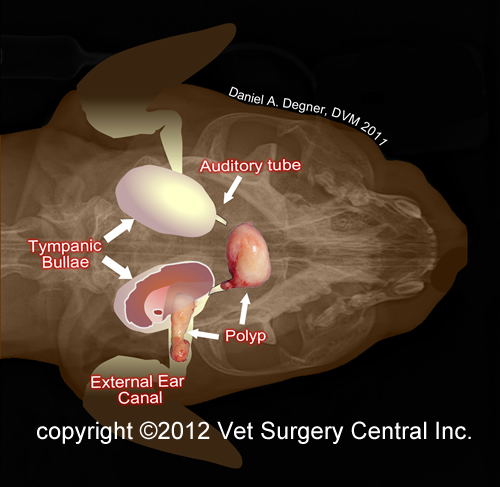
Animal Surgical Center Of Michigan Veterinarian In Flint Mi
Nasal Polyps In Cats Vca Animal Hospitals

Cat Owners Beware Of Polyps The River Reporter
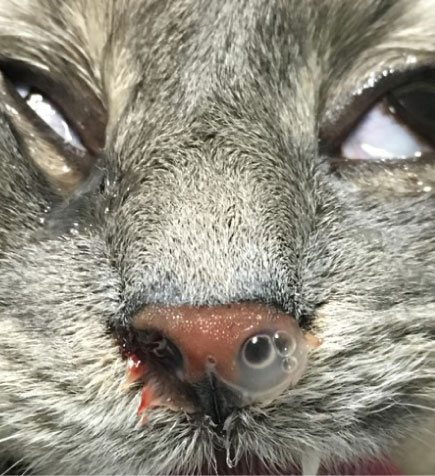
Idiopathic Chronic Rhinitis In Cats

Symptoms Of Nasal Polyps In Cats Firstvet
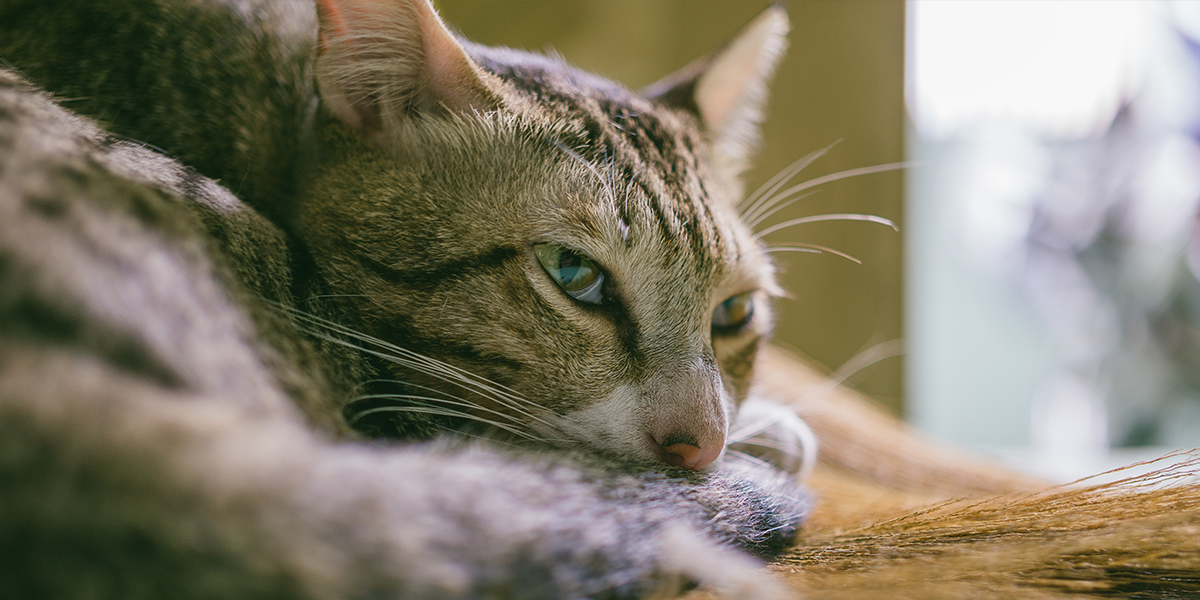
Chronic Upper Respiratory Tract Disease International Cat Care

I Think My Older 16 Year Old Cat Has A Nasal Polyp He Is The Love Of My Life He Has What Look To Be A Pink Swollen
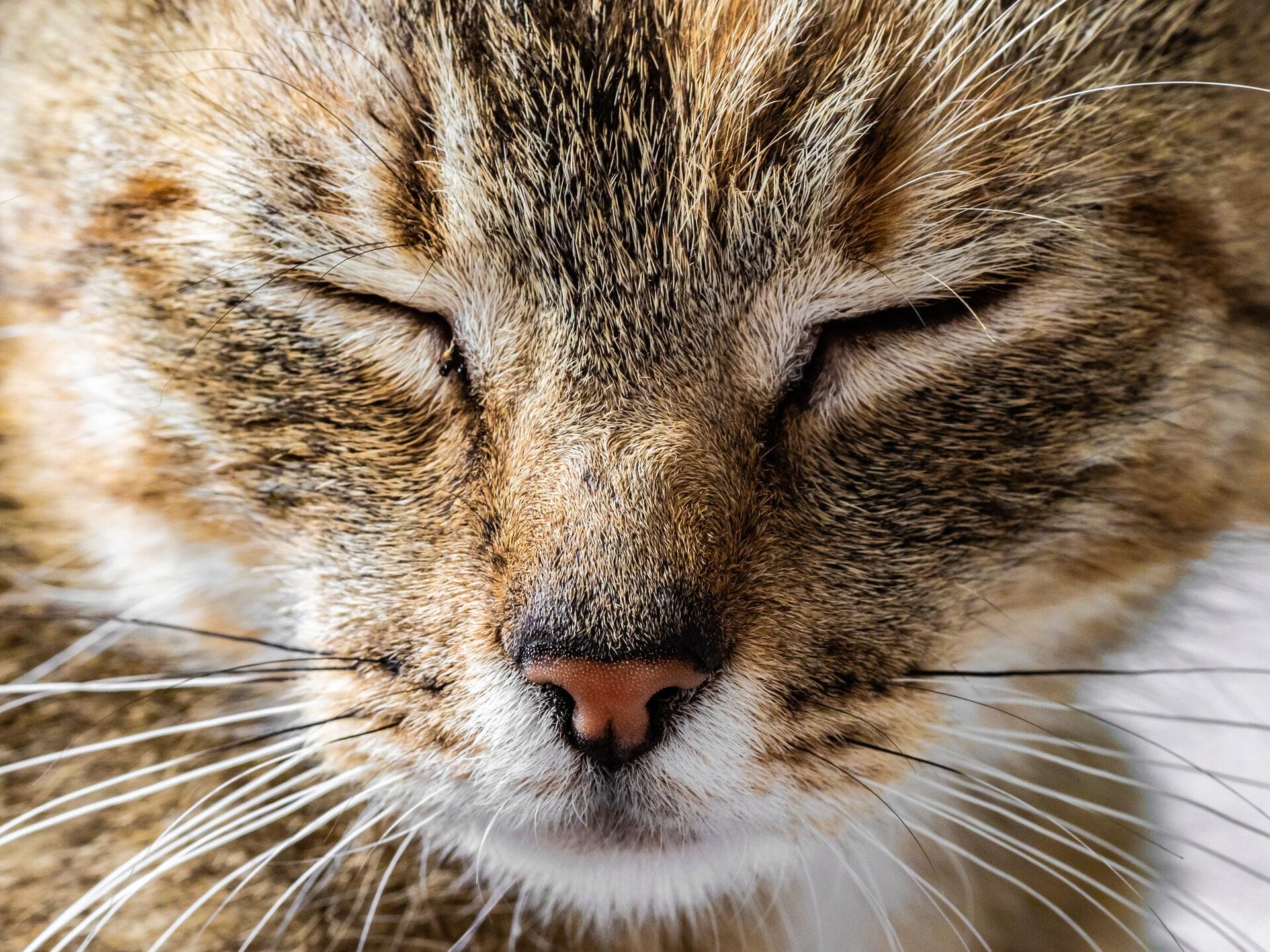
Nasal Discharge In Cats Common Causes And Cures Firstvet

Nose And Sinus Inflammation In Cats Petmd